
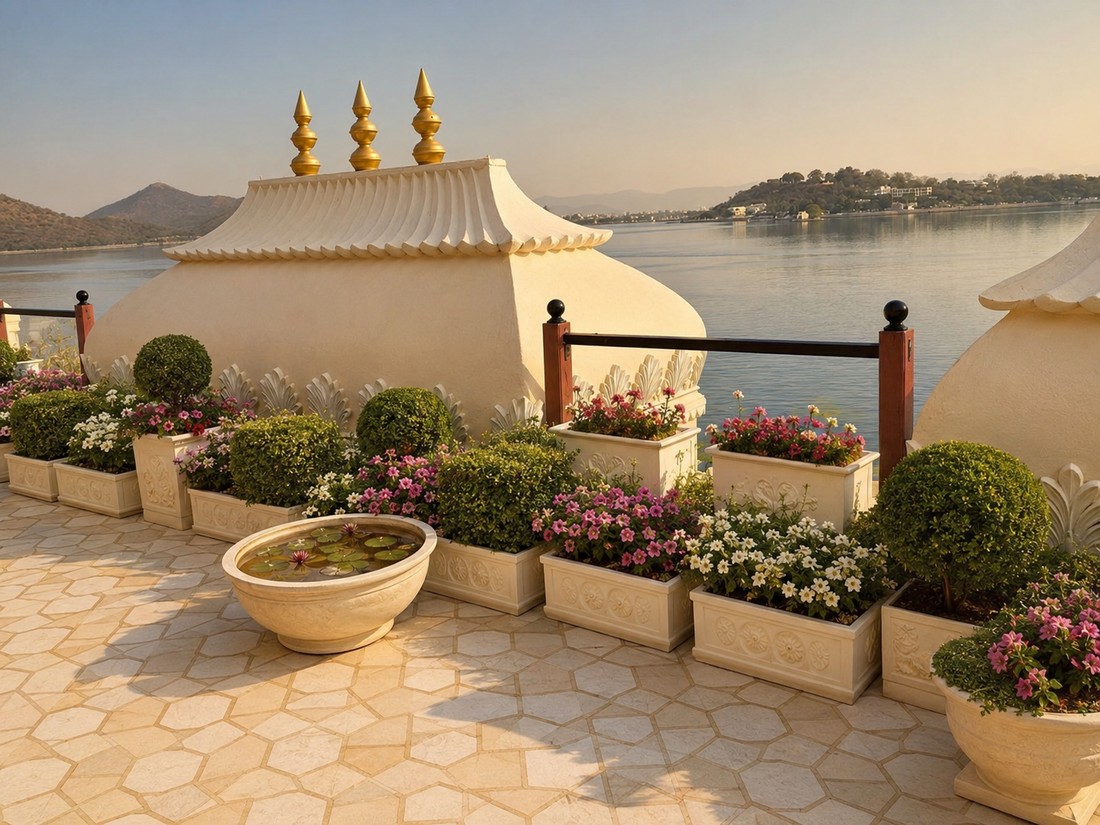
A rooftop in Udaipur gets more sun, more wind and more reflected heat than the same square metre at ground level, and it holds its soil in a container that can bake right through. Terrace planting fails here for reasons that have nothing to do with the plant being unsuitable in general, and everything to do with the conditions six metres up.
This is our working list of terrace garden plants for Rajasthan — the ones that hold through May with sensible watering, the drought resistant plants for India’s hottest roofs, and the low maintenance garden plants that forgive a missed week. Before the species, the four things that actually kill them.
Why terrace plants die here
| Cause | What it looks like | The fix |
|---|---|---|
| Root temperature | Healthy for a fortnight, then collapses all at once. Usually blamed on something else. | Pale containers, thick walls, a pot inside a slightly larger pot. Shade the pot, not the plant. |
| Container depth | Fine while somebody waters daily; dies the first week they are away. | At least 200 mm of medium for shrubs; far more for anything that will grow large. |
| Wind | Scorched, shredded leaves that read exactly like drought while the medium is damp. | Partial screens; avoid large soft-leaved plants in exposed corners. |
| Water quality | White crust on the surface; yellowing that more water does not cure. | Monthly flush in summer; acidifying feed for lime-haters; do not let containers accumulate salts. |
Root temperature, not air temperature, is the one that surprises people. A dark container in May afternoon sun reaches temperatures that cook fine roots. Containers accumulate what hard bore water leaves behind; ground beds flush, containers do not unless you flush them deliberately.
What genuinely holds — the reliable core
These are the plants that survive Rajasthan heat on a terrace with sensible watering and no heroics. They are the plants for a terrace garden we specify first, every time.
| Plant | Why it works | The one thing to get right |
|---|---|---|
| Bougainvillea | The most reliable flowering plant for this situation. Performs better when treated meanly. | Deep container, sharp drainage, full sun, restraint with water and feed. Overwatered, it makes leaves instead of bracts. |
| Nerium oleander | Tolerates heat, wind, poor medium and irregular water; flowers for months. | Every part is toxic if eaten — keep it away from areas used by small children. |
| Plumeria (frangipani) | Thick stems store water, so it forgives a missed week better than almost anything else. Sculptural enough to carry a terrace alone. | Drops its leaves in winter. That is normal. |
| Carissa carandas (karonda) | Native, extremely tough, takes clipping, fruits. Underused on terraces. | Give it depth and let it be clipped into structure. |
| Tecoma stans | Yellow flowers most of the year, grows fast, asks for very little. | Prune hard or it becomes leggy. |
| Ixora coccinea | Reliable in containers if the medium is kept slightly acidic. | It yellows in alkaline water — which is most water here. Acidifying feed, not more water. |
Groundcover and edges
- Portulaca and Aptenia — succulent, thrive in exactly the heat that kills everything else, and shade the surface of the medium, which lowers root temperature. Worth planting as a living mulch under larger containers.
- Russelia equisetiformis (firecracker plant) — spills over edges and parapets, takes full sun, and looks intentional rather than accidental.
- Zephyranthes (rain lily) — bulbs that flower after rain, disappear when dry, and return. Effectively unkillable.
Climbers for shade
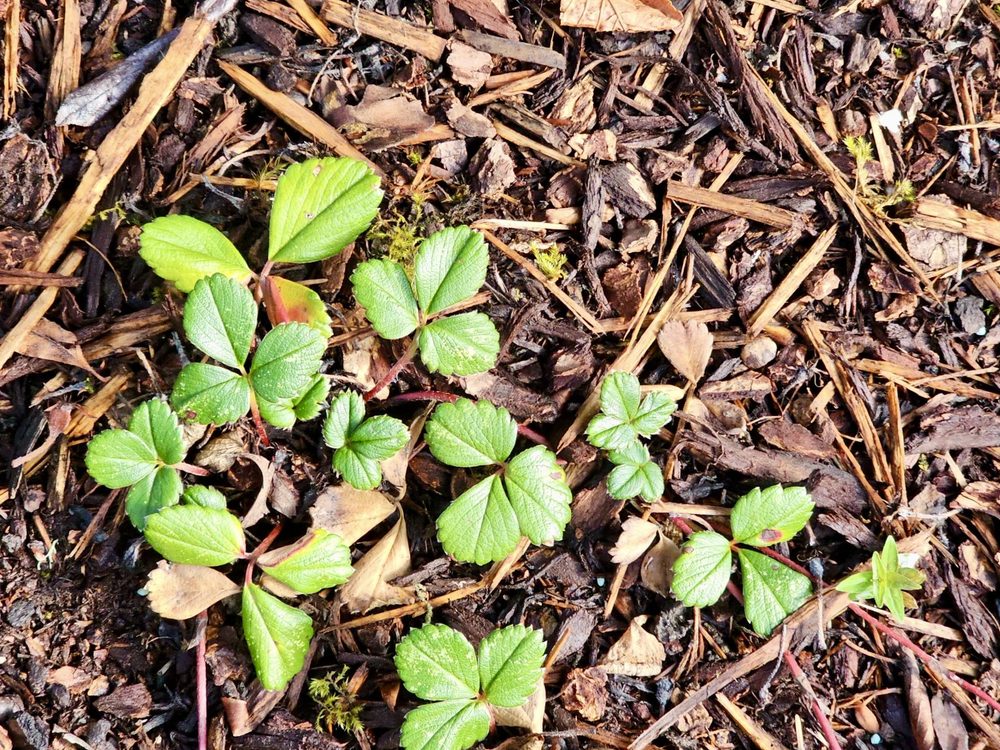
On a terrace, shade is worth more than any individual plant, because everything beneath it then needs less water for the rest of its life.
- Vernonia elaeagnifolia (curtain creeper) — fast, dense, and falls in a curtain that screens a parapet or a neighbour without needing a structure.
- Quisqualis indica (Rangoon creeper) — opens white and deepens to red over a few days, and carries strongly in the evening. Plant it where people sit.
- Antigonon leptopus (coral vine) — tough, quick, unfussy, and will smother its neighbours if nobody prunes it.
Herbs and edibles that work in containers
| Group | Plants | Note |
|---|---|---|
| Effectively perennial here | Mint, lemongrass, curry leaf, ajwain | All tolerate heat and neglect. Contain the mint or it takes everything. |
| Cool season, sown in succession | Coriander, fenugreek, spinach, dill | Sow every two to three weeks from October, not all at once, or you get a glut and then nothing. |
| Will hold with sharp drainage | Rosemary, thyme, oregano | Lost to overwatering far more often than to heat. |
What not to plant on a Rajasthan terrace
- Anything needing constant moisture — ferns, most begonias, hydrangea. They can be kept alive with daily attention and will die the first week somebody is away.
- Large soft-leaved plants in exposed positions. The wind shreds them.
- Vigorous figs, including Ficus benjamina, anywhere near a waterproofed roof. The roots find joints. This is a building repair problem waiting a few years.
- Lawn on a terrace. The highest water demand of anything available, on the site least able to supply it. If a green floor is genuinely wanted, load, drainage and irrigation have to be designed for it from the start — a different conversation, covered on our terrace garden page.
The medium, which matters more than the species
Garden soil in a container compacts, holds water at the bottom, and weighs more than a roof should carry. A terrace medium should be light, open and water-retentive at the same time — which in practice means good compost for structure and nutrition, coco peat for water holding, and coarse material for drainage and air.
The summer regime
- Water early — before about seven. Midday watering is largely lost to evaporation; evening watering leaves foliage wet overnight and invites fungal problems in the monsoon.
- Water deeply and less often, not lightly and daily. Shallow frequent watering trains roots to stay at the surface, which is precisely what kills a plant in its second May.
- Flush the containers monthly in summer. A heavy watering that runs freely out of the base carries accumulated salts out rather than concentrating them.
- Shade netting from April to June over anything still cropping. Thirty to fifty per cent shade drops leaf temperature enough to keep plants setting fruit and cuts water demand. Seasonal, put up and taken down — not a permanent roof.
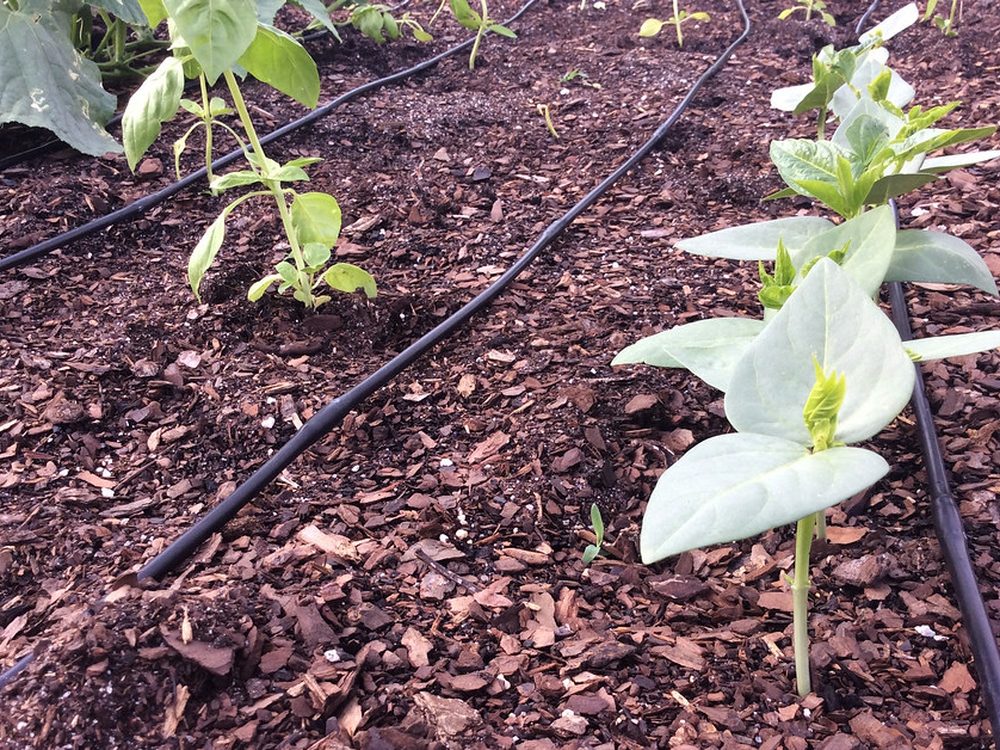
Planning a terrace planting scheme in Udaipur or Rajasthan? We choose terrace garden plants for the roof, the water and the person who will look after them — and we build the beds, the medium and the drip to match.
Tell us about the terraceAsked often.
What plants survive best on a terrace in Rajasthan?
Bougainvillea, oleander, plumeria, karonda, Tecoma stans and Ixora form a reliable core. For groundcover, portulaca and aptenia thrive in the heat that kills other plants. For shade, curtain creeper and Rangoon creeper are the most dependable climbers.
How deep do terrace garden containers need to be?
At least 200 mm of medium for most shrubs and considerably more for anything that will grow large. Below that depth, a plant in this climate becomes dependent on somebody watering every single day, because there is no reserve to draw on.
Why do my terrace plants die even though I water them?
Most often root temperature rather than thirst. A dark container in May afternoon sun reaches temperatures that cook fine roots, and the plant collapses a fortnight later. Pale or double-walled containers, and shading the pot rather than the plant, fix it. Salt build-up from hard water is the second most common cause.
Can I grow vegetables on a terrace in Udaipur?
Yes, and the winter rabi season is by far the most productive — tomato, brinjal, chilli, spinach, coriander and fenugreek all do well from an October sowing. Sow leafy crops in succession every two to three weeks rather than all at once. May and June are lean whatever you do.
How often should a terrace garden be watered in summer?
Deeply and less often, rather than lightly every day, and always before about seven in the morning. Add a heavy monthly flush that runs freely out of the container base, to carry accumulated salts out of the medium instead of concentrating them.
Tell us about the site.
Every scheme begins with a survey. Send us the essentials and we will arrange one, then return a drawn plan — not a quotation against an assumption.
OR REACH US DIRECTLY